

This bonus Preptober post is a benefit for paid subscribers of Footnotes. To read the full contents, please become an Imaginary Best Friend.
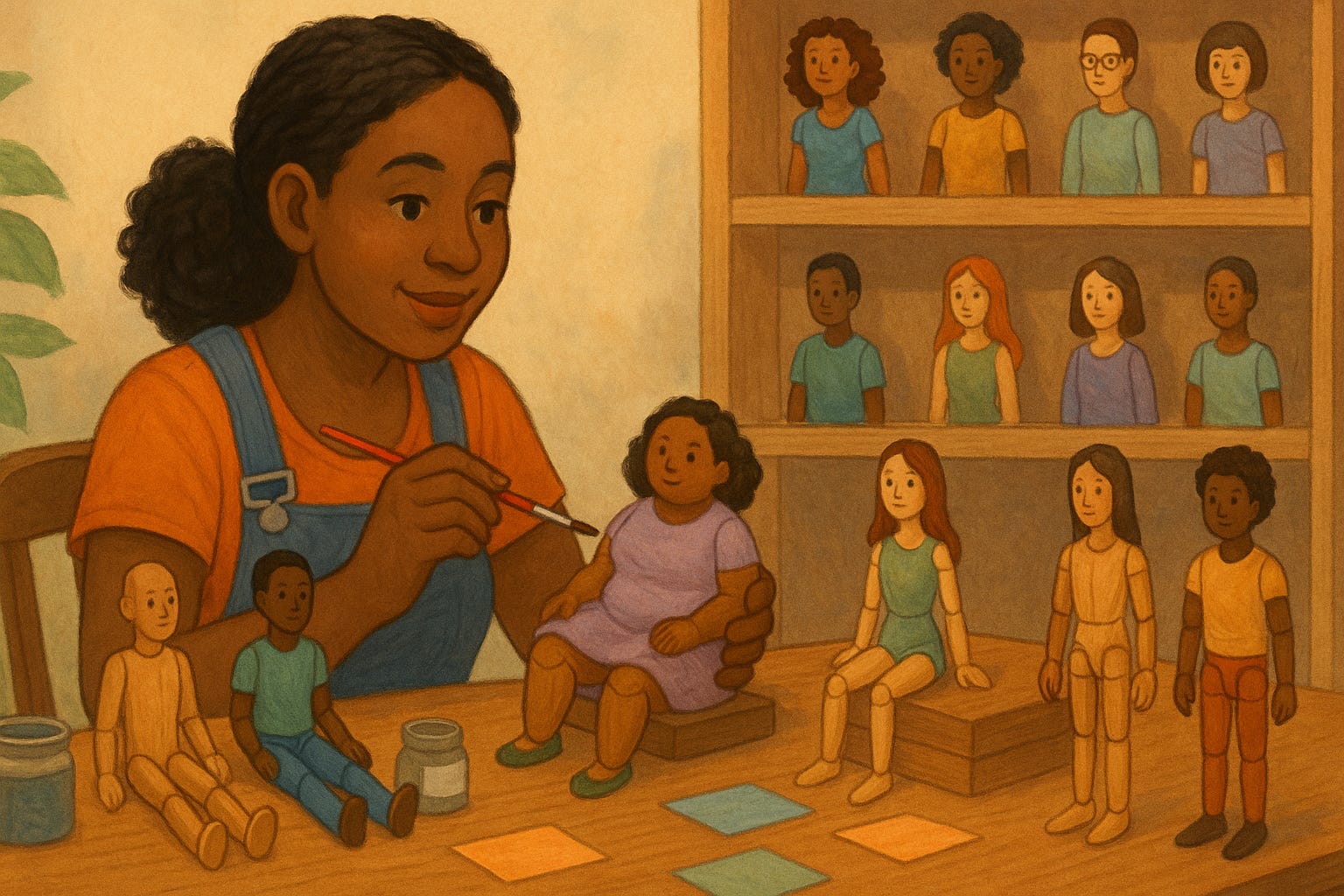
In the Preptober series, we’ve gone through all the basic steps needed to get ready to write your first draft. But I do feel like I gave short shrift to the character development process. So here’s a bonus post digging a bit deeper into character creation. Whether you’re participating in Novel November and trying to get that draft done in a month or not, happy writing!
For me, plotting and character development (and worldbuilding) go hand in hand. I can’t really figure out what happens in a story without understanding more about my POV characters and antagonists and why they do what they do.
I believe the more you understand your characters, the more authentic your plot will feel. So while it might seem like separate steps, character, world, and plot development are really a cycle—each informing and deepening the other.
So let’s focus on characters: how to get to know them, how to choose their names, what shapes their personalities, and how to explore their emotional lives in ways that naturally build your story.
Naming Your Characters
Some writers know their characters’ names right away. For Ursula Le Guin, the character names were gifts given to her that she could not change. Other writers use placeholders for a few drafted chapters before deciding what fits. There’s no wrong way—names can be symbolic, meaningful, or simply feel right.
Sometimes a character name will just pop into my head as well and just feel right. However, for some stories, I spend a good deal of time selecting a name that has meaning and resonance. I use tools like Think Baby Names or Fantasy Name Generators which offer options from different cultures, languages, and time periods. For example, for a warrior character, I might search for a name that means warrior, soldier, or protector.
If you’re writing in a speculative or fantastical world, playing with spelling or structure can make a name feel slightly otherworldly. For instance, adjusting a familiar name’s vowels or consonants can add texture while keeping it readable. You can also think about naming conventions within your world: Are names inherited, earned, or chosen? Do they have meanings tied to family, geography, or social status? The way characters are named tells readers something about your world’s culture.
Nicknames can give hints of personality or family dynamics. A character might also go by a shortened or altered version of their name depending on who they’re talking to. In fantasy, that distinction might even hold magical significance: knowing someone’s true name could grant power or connection.
Keep reading with a 7-day free trial
Subscribe to Footnotes for My Imaginary Friends to keep reading this post and get 7 days of free access to the full post archives.